
SEO forecasting breathes life into the numbers and provides a strategy that keeps the businesses’ organic growth predictions correct even when there are changes in algorithms and markets. The swaying of data trends enables marketers to make wise budget allocations and justify the return on investment to the stakeholders. If you are just an owner of a small business or a manager of an agency, the skill of mastering this opens up the area of predictable traffic gains in tough situations.
What Is SEO Forecasting?
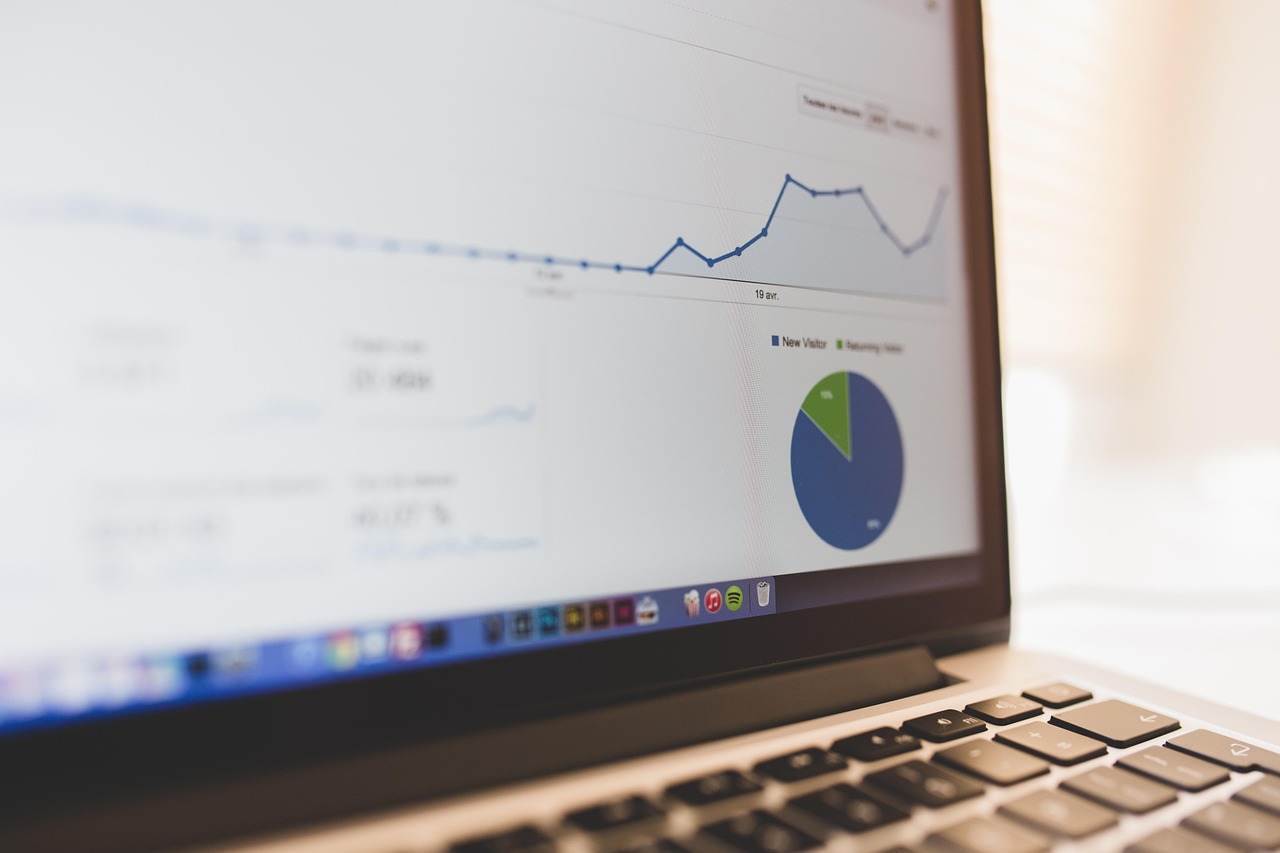
SEO forecasting is definitely a reliable indicator of organic traffic, rankings, and sometimes even conversions as a result of the combination of historical data, keyword insights, and market signals. Thus, it is a method that demands the application of both the art and science: qualitative aspects like content updates, for example, guide the accuracy while at the same time statistical models are projecting trends. Inputs that are fundamental include search volumes, click-through rates (CTR), and past rankings from tools like Google Analytics or Ahrefs.
It is business practice right now to the use of this tool in creating realistic targets. For example, in the case of a forecast, it might show that the targeting of fifty high-intent keywords could double traffic within twelve months, thus directing the content calendars and link-building activities.
Key Methods for Accurate Predictions
There are several reliable techniques that drive accurate forecasts. Keyword-based forecasting starts with the target terms and estimates traffic through search volume multiplied by position-specific CTR (top spots capture 30-40% of the clicks).
Statistical methods analyze historical traffic with models like linear regression for steady growth or exponential curves for rapid scaling, while seasonal adjustments account for e-commerce peaks during holidays.
Hybrid techniques are the ones that combine two of the above methods and also factor in the competitors’ benchmarks and algorithm updates for the 2026 realities such as AI-driven SERPs.
Essential Tools and Metrics
The main tools make the work of the specialists easier. Google Search Console provides data on impressions; SEMrush or Moz gives an estimation of the ranking potential. Excel or Google Sheets can be used for simple models, whereas large-scale platforms like Conductor only provide dashboards with scenario testing.
Metrics to be monitored are organic sessions, conversion value, ranking positions, and traffic value (revenue per visitor). Conducting audits regularly for anomalies such as migrations of the site will help in maintaining accuracy.
Steps to Build Your Forecast
The first step is to take a 12 to 24-month baseline from Google Analytics. After that, the traffic should be divided by the channel and improvements should be projected by assuming that 10 to 20% ranking gains will result from the optimizations.
Then, keyword opportunities will be put in through the volume X CTR formulas. Stress-test scenarios will be: best-case (aggressive links), least-case (penalties). The update will happen quarterly to accommodate the actual performance.
Why Forecast and How It Converts
Forecasting is the way to prove SEO investments, the C-suite will see it in a way that the monthly spent of $10K brings $150K of revenue. It is also the way that agencies use to attract clients by providing data-backed proposals.
Related Posts

A Step by Step Guide to Searching for Words on a Page
It might happen that you get stucked at a very…

SEO Copywriting That Balances Humans and Algorithms
The basic principle of content success through human service remains…
Grow Your Small Business Faster with Smart SEO Solutions
The digital world is so huge now that small businesses…